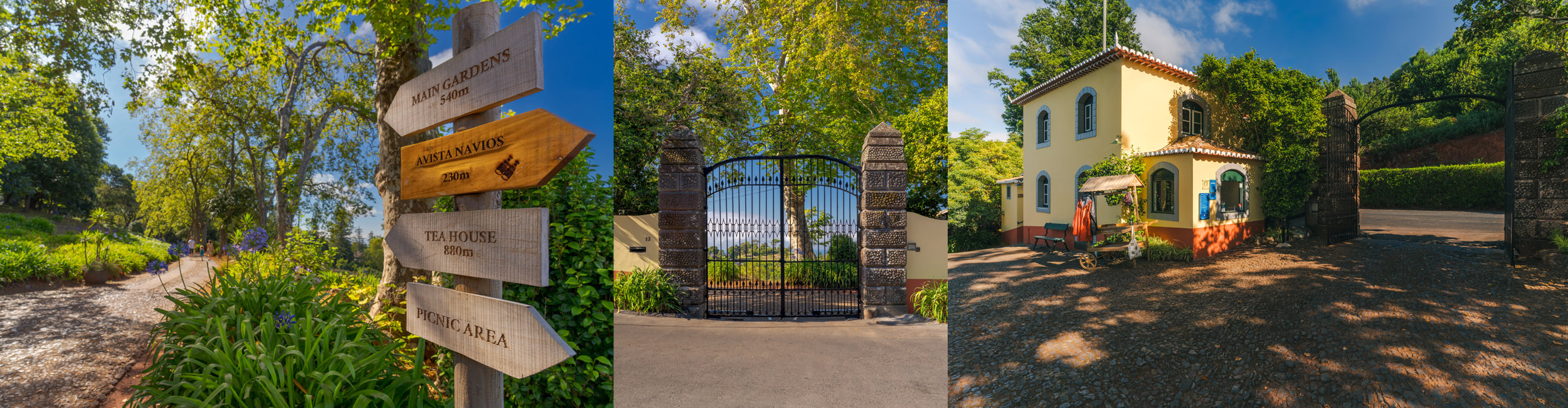
Entry Price: €11 (Adults) Children: Free 15 - 17 years: €6 Groups: of 5 pax: €10 Special price for Madeira residents: €6 (must present proof of residence)
30 days Pass: €150 30 single entry are valid for 12 months from the date of receipt, making them flexible and allowing the recipient to choose which time of year they would like to visit. Kindly note that while this ticket is valid for entry to the gardens, it is not valid for Palheiro events and festivals.
How to get there
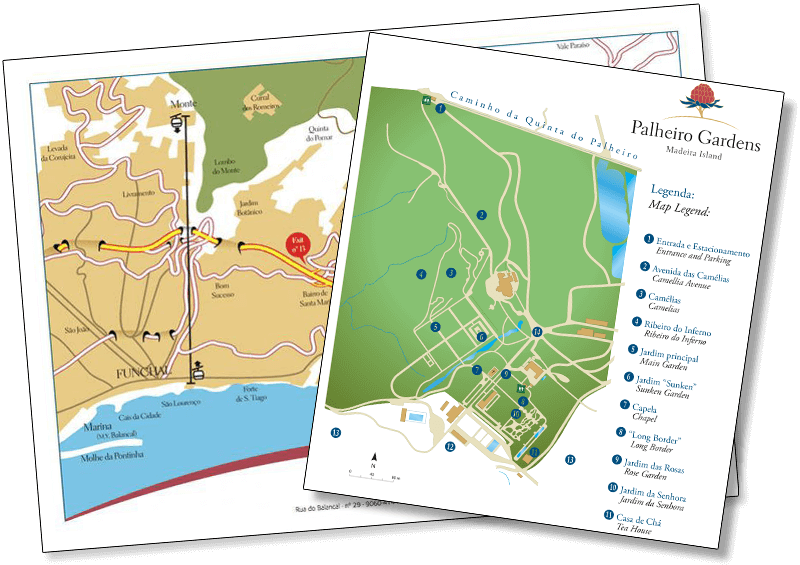
BUS: 37 EXIT: at Garden's Entrance OTHER BUSES: 36 - 47 NEARBY EXIT: Regional Road 102 GPS 32.66282, 16.86853 Find us in Google Maps
Our Location
Finding Palheiro Gardens
The Palheiro Estate is located just 15 minutes from Funchal, capital city of Madeira Island, and about 20 minutes' drive from the airport.
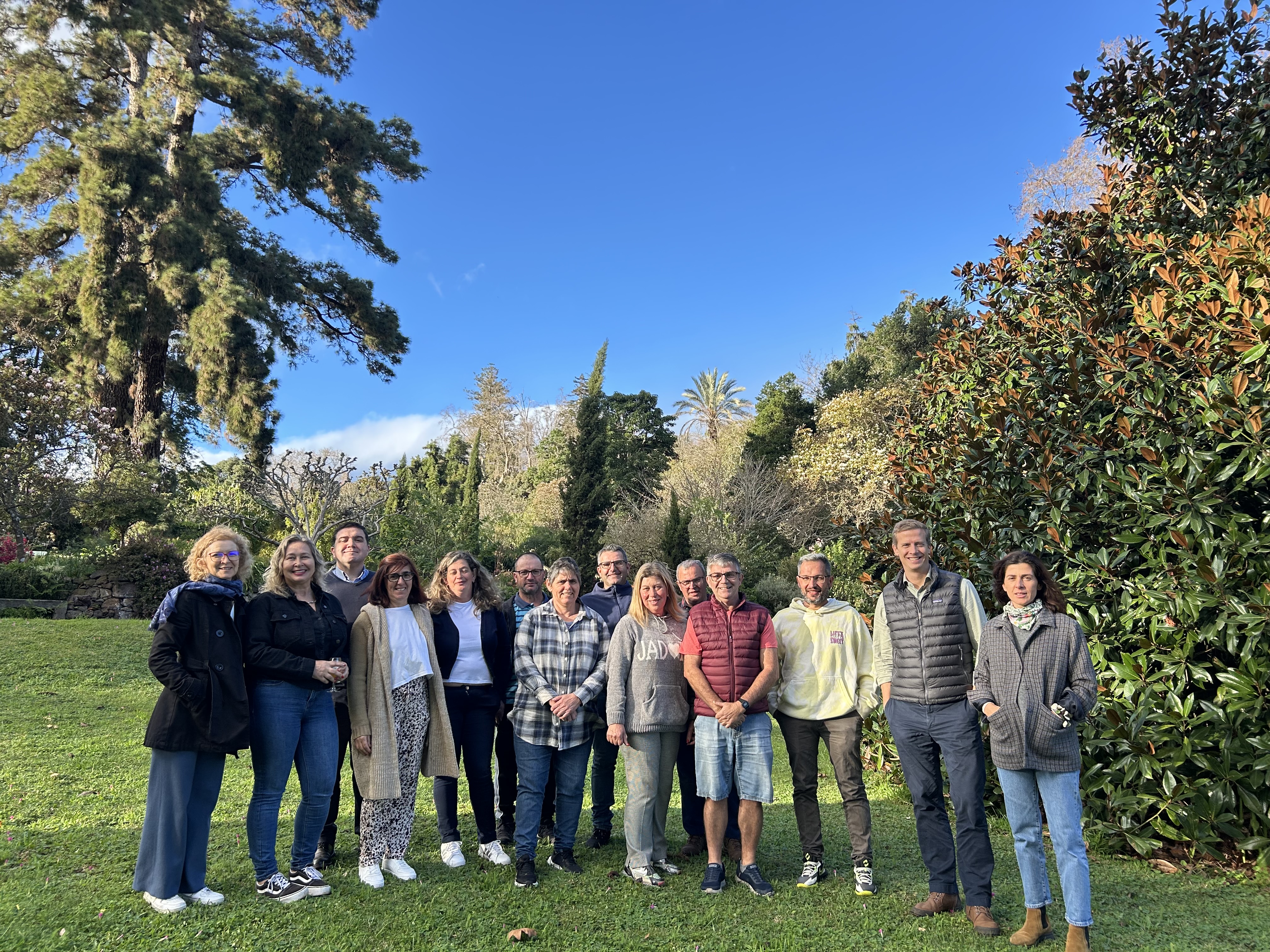
Quinta do Palheiro is currently owned by 6th generation member, Adam Blandy and his wife Christina who both continue to live in the main house. Their son, Christopher and his wife Maria have started to support the business and have started to invest in reigniting the agricultural side of the business whilst developing the guests’ experiences in the gardens.
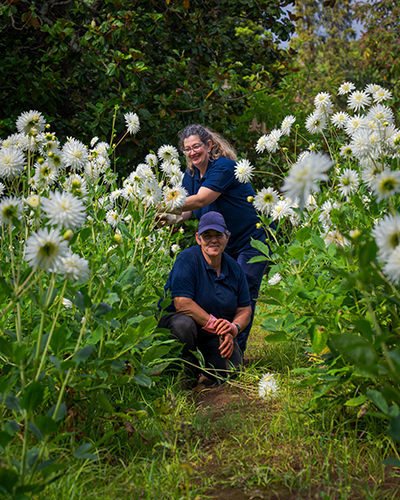
The gardens and the surrounding farm land are managed by a team of 18 workers, many of whom have been working for the family for decades.
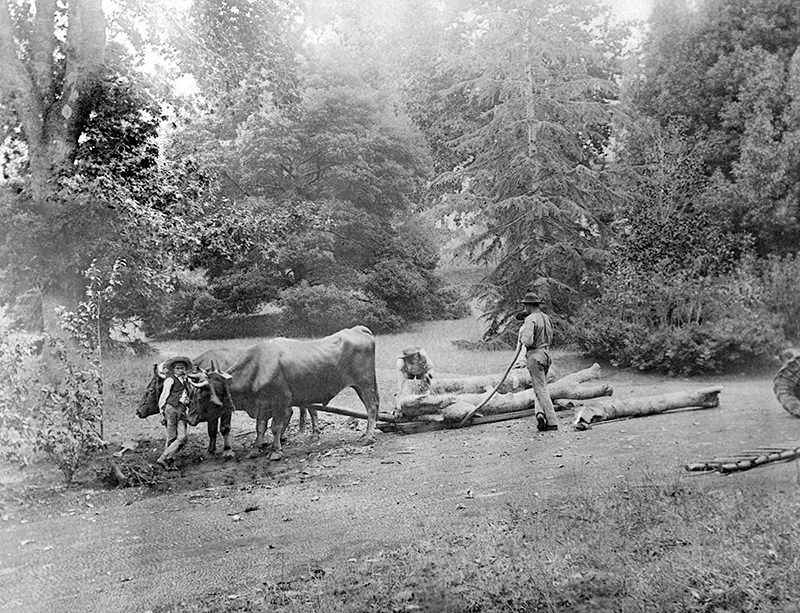
Adam recalls during this childhood: ‘There were cattle, cereals, vegetables, orchards, forestry and gardens and always plenty going on. I would go to the sawmill (powered by a water turbine) or watch the woodsmen cutting wood with a long-bladed saw with two handles. We had a resident bull, Friesian cows and oxen. There was also a small dairy, sheep, chickens and pigs, a blacksmith, several eiras in the fields where wheat was threshed with the help of a team of oxen. Curiosities included peacocks, guinea fowl and bantam cocks.
Marcus Binney, the author of the book “The Blandy’s of Madeira” writes the following:
“Palheiro is a garden for all seasons, ablaze with ravishing colour throughout the year. Yet far from being a tropical garden, with little distinction between winter and summer, it is one in which successive waves of bulbs, shrubs and flowering trees come into bloom, month by month. Even regular visitors to Madeira rarely have the opportunity to experience its glories in full.
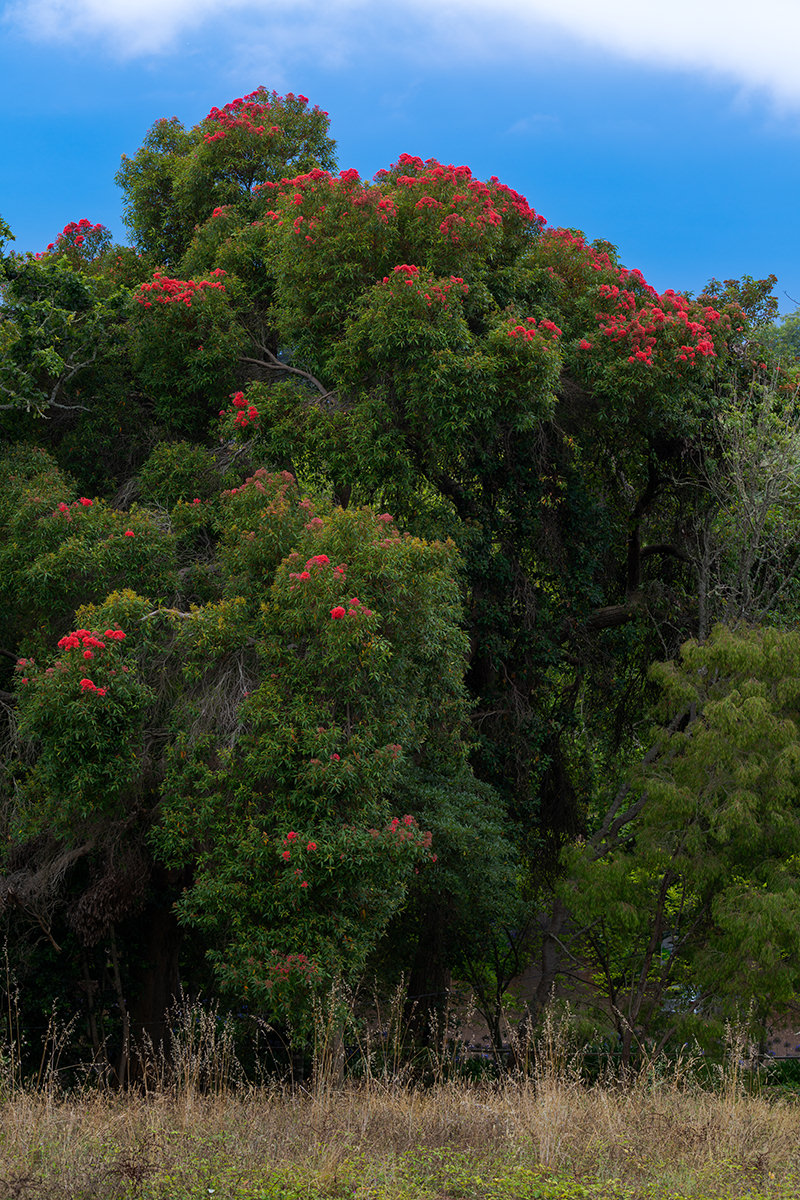
Palheiro is a garden planted and shaped by its owners, and even more by their wives, aided by generations of Madeiran gardeners blessed not only with a Himalayan stamina but the greenest fingers in the planet. It is a garden you have to explore, alert to every flower from the tiny clover-like oxalis to the exotic red pin-cushion flowers of Metrosideros excelsa from New Zealand’s North Island. Unlike the great formal gardens of France, there is no one grand coup d’oeil where the whole extent and splendour of the layout unfolds before you. Yet like all great gardens Palheiro has bones: vistas and walks, avenues and groves, expanses of lawns and garden rooms. But as Christina Blandy says: ‘It is impossible to be too formal in this climate where growth is so rapid.’
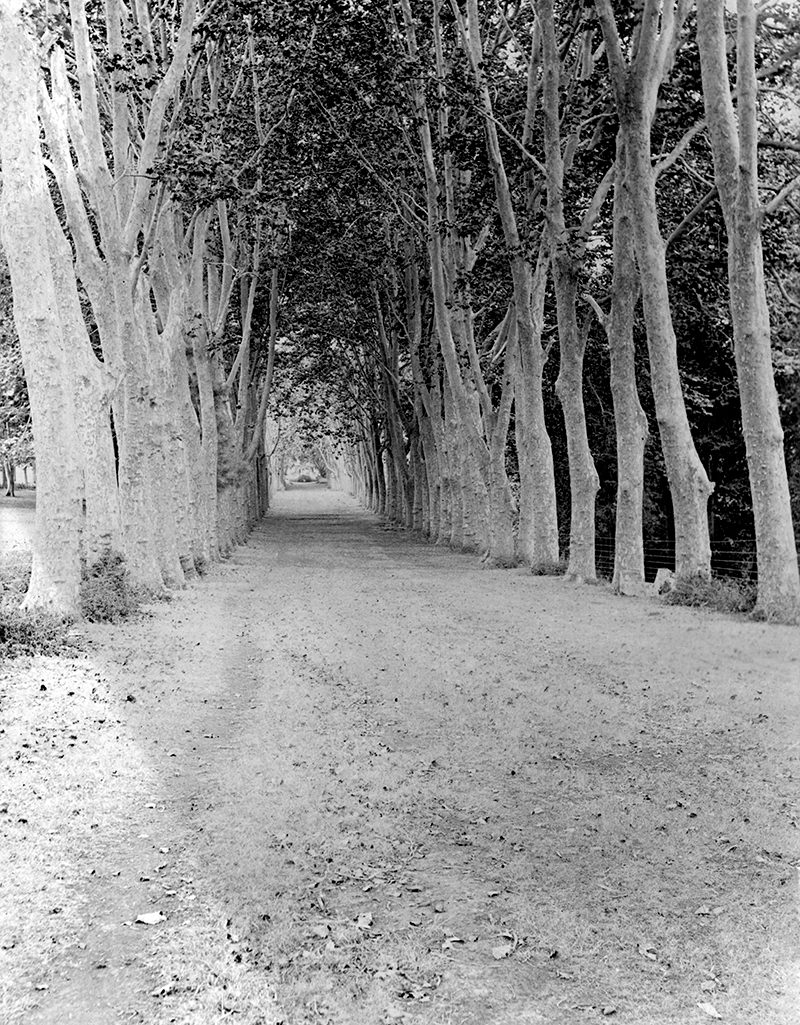
The 1st Count of Carvalhal chose Palheiro as it was one of the few places in the island which offered an expanse of relatively flat land suitable for laying out pleasure grounds on an ambitious scale. Early visitors compared his quinta to an English park. He planted large numbers of trees, notably the great avenue of planes leading south from his house, now the Casa Velha. He introduced the first double camellias with a profusion of white, pink and red flowers, planting them as windbreaks for the main garden. He also appears to have been the beneficiary of exotics sent back from Brazil – where the Portuguese court had emigrated in 1807 only returning in 1821.
From this early period also date the delightful baroque chapel (already a little English with its three Palladian windows) and a folly or belvedere, now on the golf course, with a view out to sea.
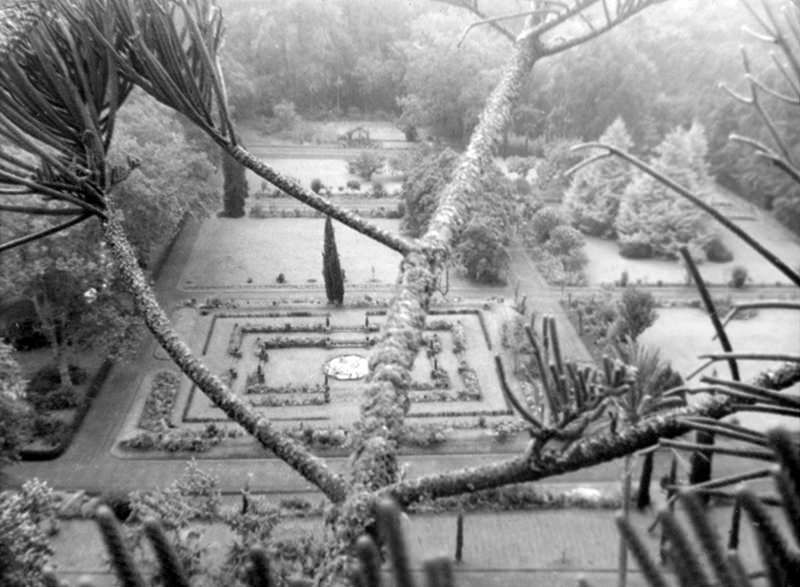
When John Burden Blandy acquired Palheiro in 1885 he built a new house designed by George Somers Clarke, the architect of the new Reid’s Hotel and Shepheard’s Hotel in Cairo. Below he laid out a formal garden in French style with large squares of grass quartered by paths, with pebbles formed into diamond patterns. The pebbles were sized in traditional fashion by sifting them through bamboo poles. Immediately beneath the house were two large hothouses of which only the footprint remains. The walks were shaded by pergolas made of trunks of wild acacia which have been replaced every fifteen years or so. Beyond the formal garden, across a ravine, is an almost druidical ring of tall plane trees forming a circle fifty paces across. Of the original fifteen or sixteen trees just eight remain today.
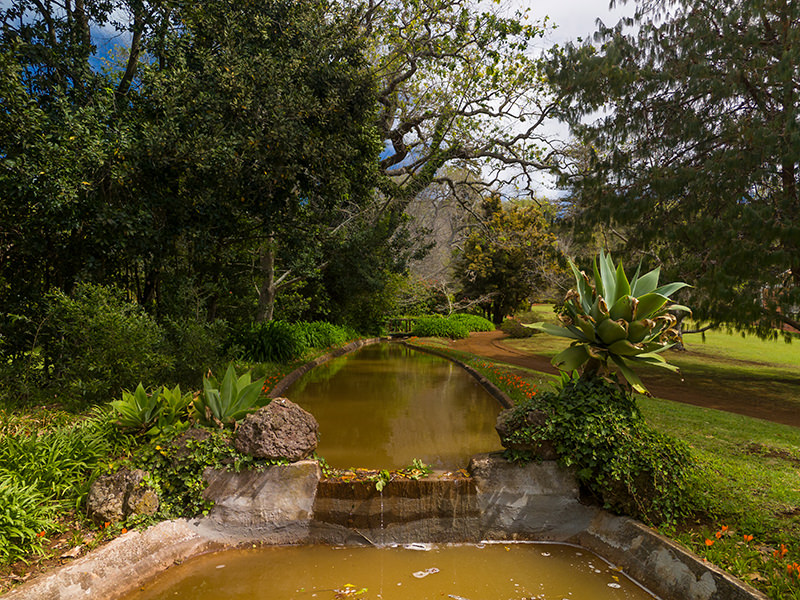
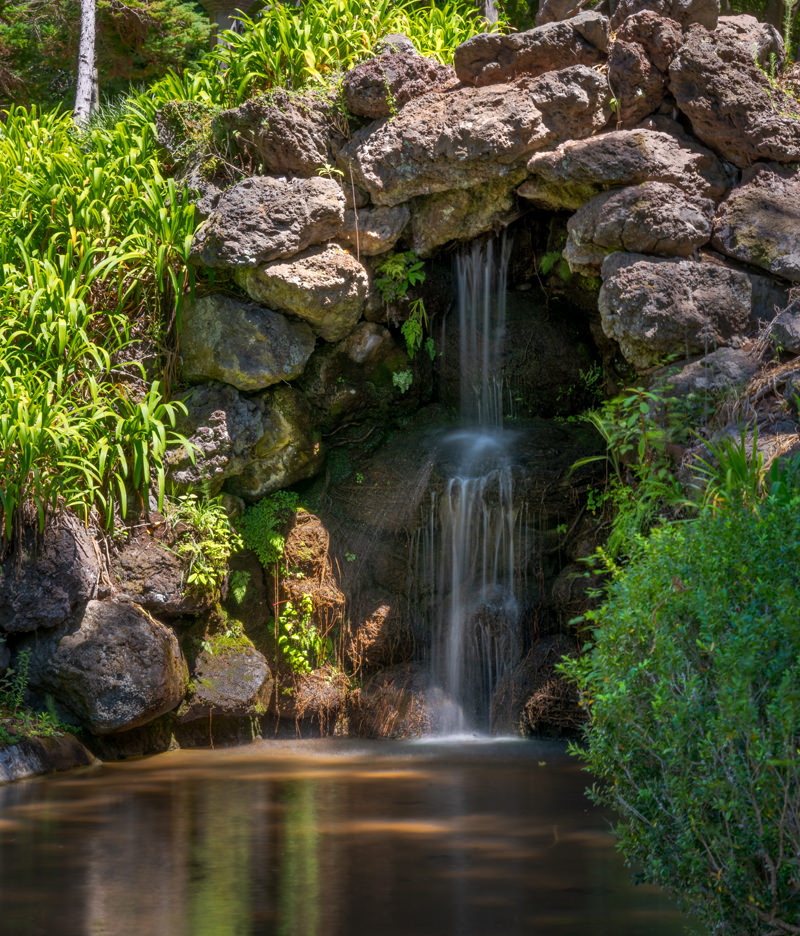
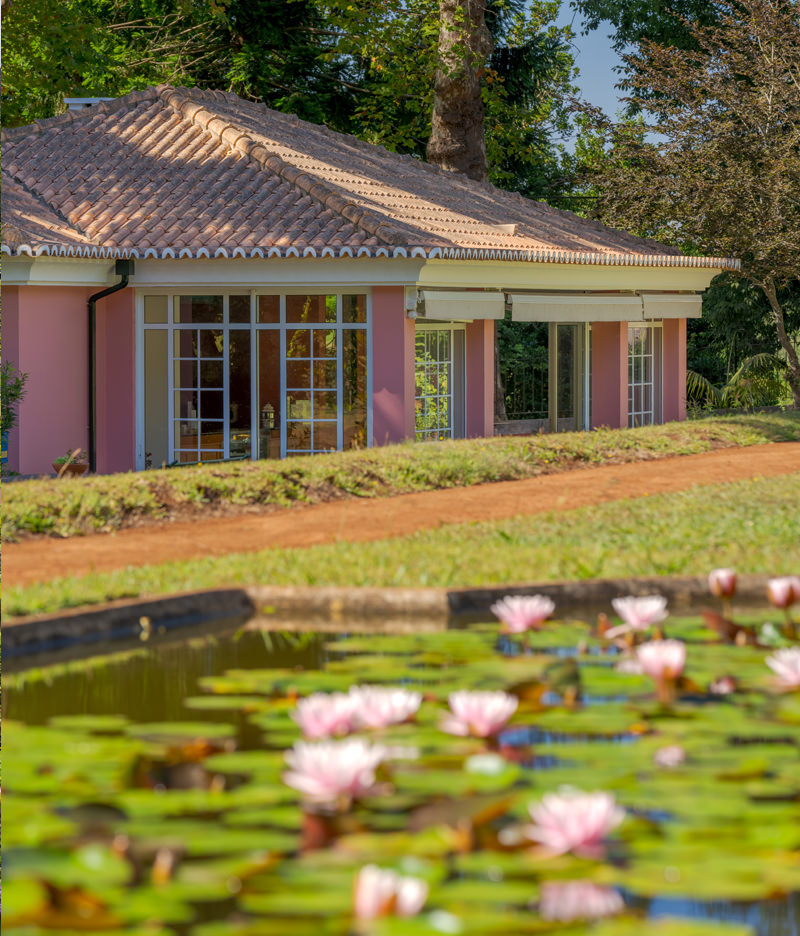
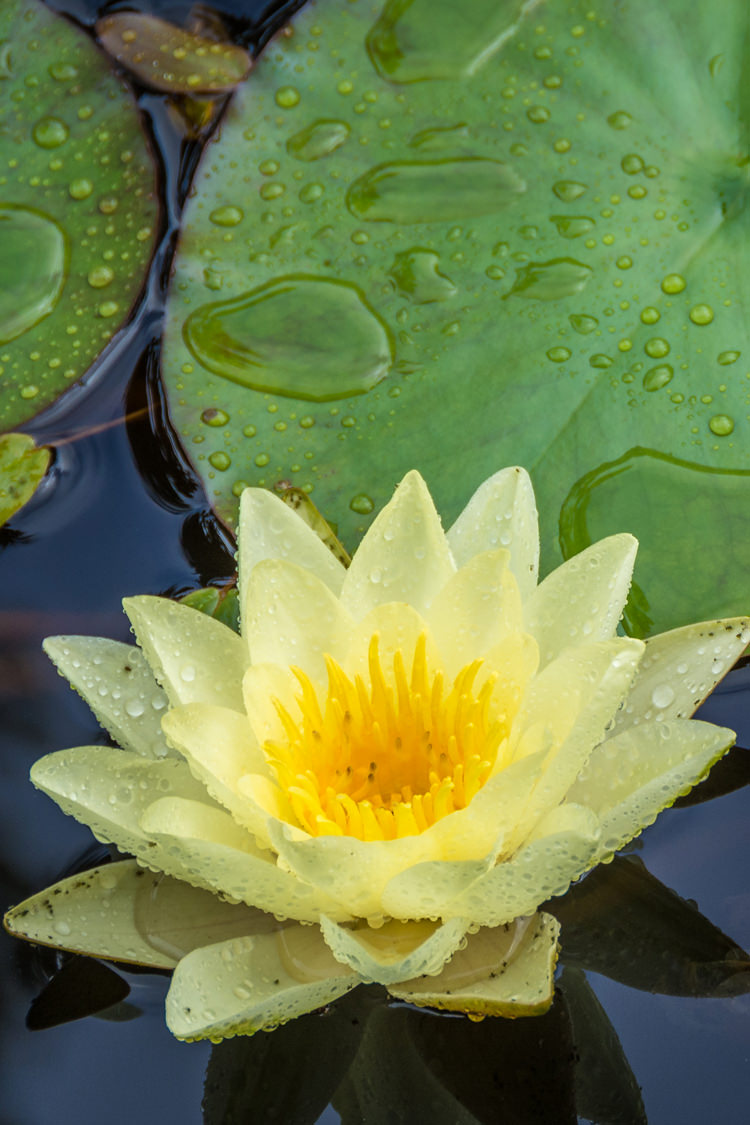
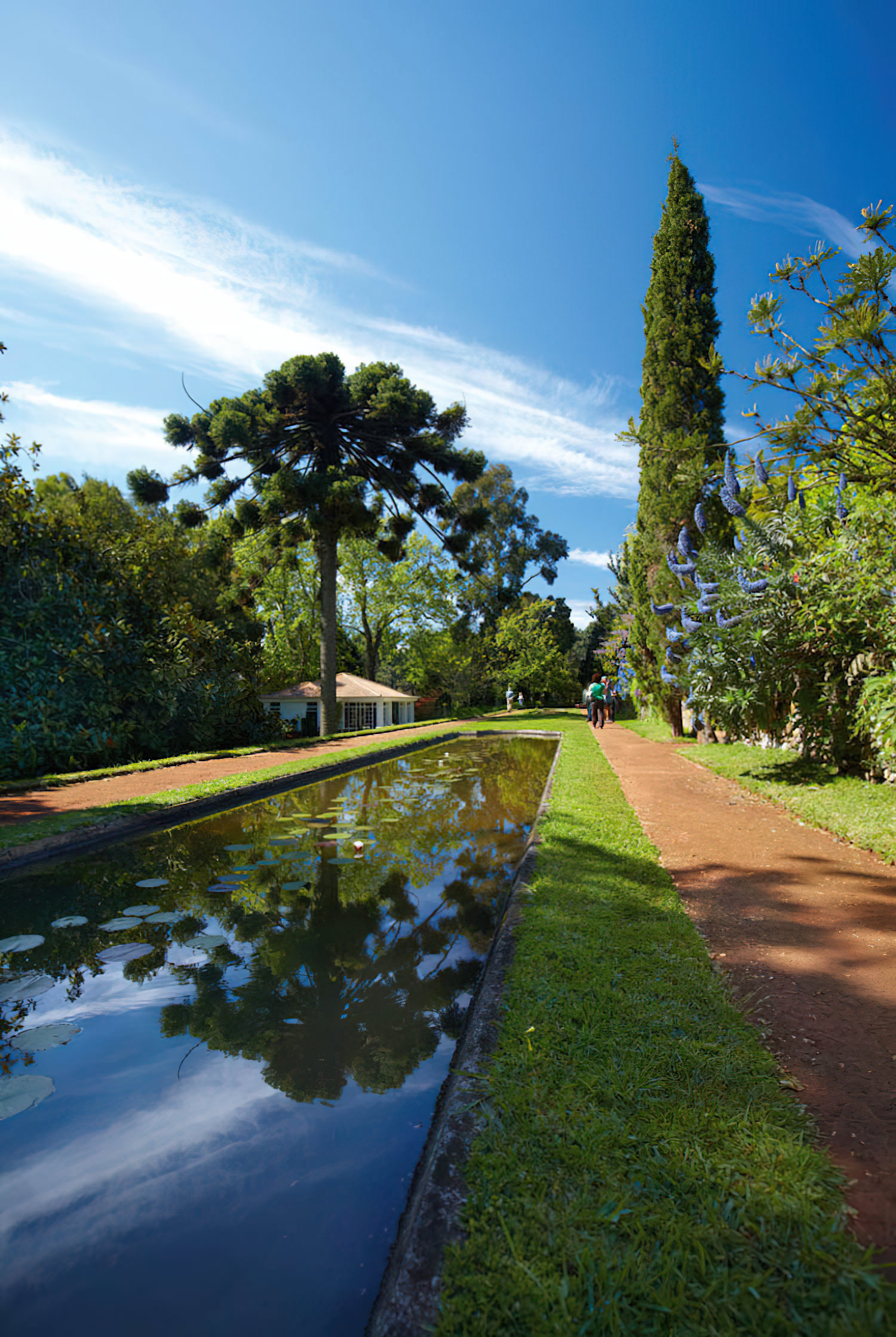
Water is the mainspring of any garden. At Palheiro mountain springs are collected by levadas and fed into two large reservoirs at the top of the property. The passage of water through the garden is celebrated by a rustic grotto which feeds into a bubbling brill and then into a series of lozenge-shaped pools edged with tritonias. The lower garden to the east has two beautiful still canals with water lilies flanked by lawns.
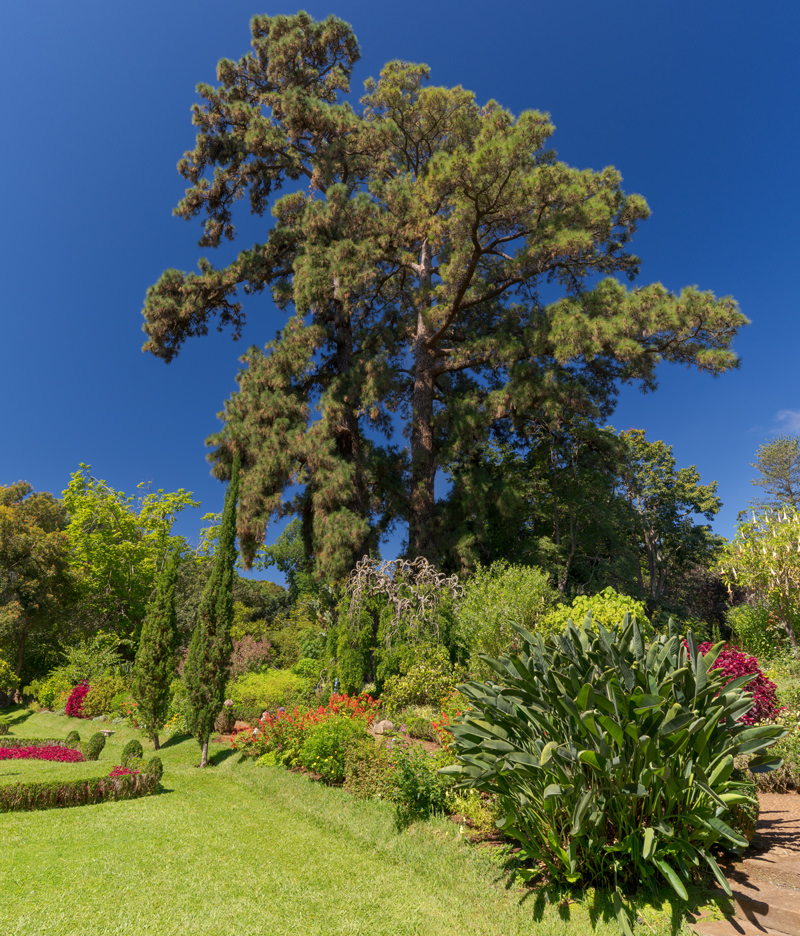
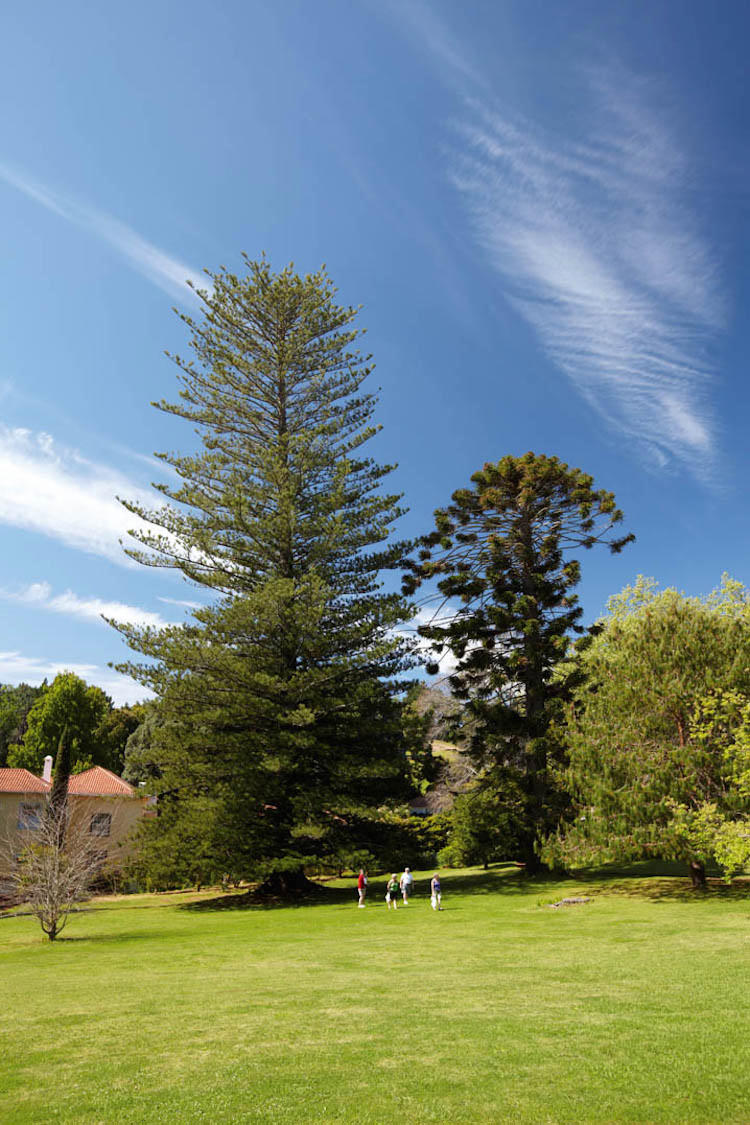
Palheiro’s claim to fame lies no less in the size and splendour of its trees – forest species like oak, beech, chestnut and cedar grow beside exotics like eucalyptus and araucaria pines. The monarch of the garden is a splendid specimen of Araucaria angustifolia, the candelabra tree from Brazil, run close by the Hymenosporum flavum, the Australian jasmine tree. Other noble trees are a huge Californian redwood, Sequoia sempervirens, a magnificent 38-metre-tall Araucaria excelsa from Norfolk Island and a huge Araucaria bidwillii with pineapple-shaped cones.
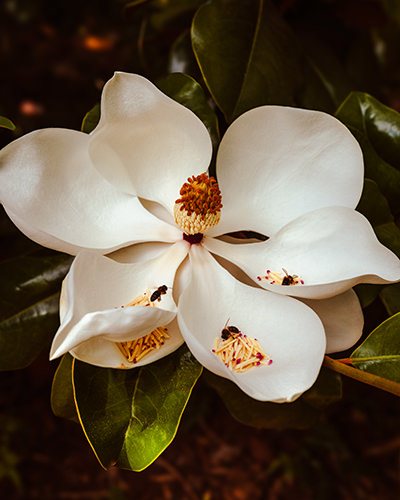
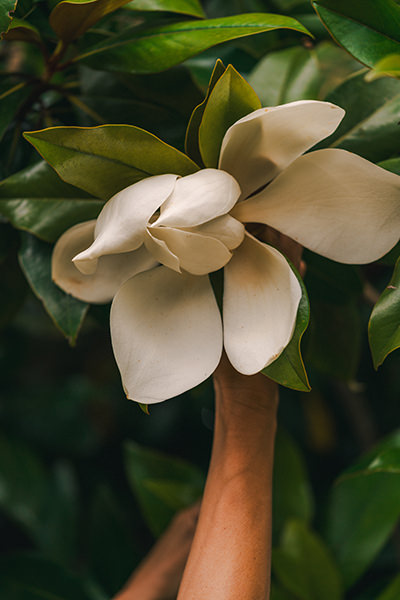
Daffodils appear in January when the camellias have already been flowering for three months. The rare Saint Helena ebony bush flowers for most of the year. The blooms of dozens of magnolias glow luminously against brilliant-blue February skies – as well as their cousin Michelia doltsopa from the Himalayas. Cascading purple heterocentron basks on walls, while white wisteria enfolds the trellises.
In April the blue Paulownia tomentosa flowers with the purple wisteria. The handkerchief tree, Davidia involucrata, and the tulip tree, Liriodendron tulipfera, follow in May. High summer is marked by the globe flowers of hundreds of blue and white agapanthus lining the drives and paths together with the flowering Eucalyptus ficifolia and the Lagerströmia indica, followed by banks of hydrangeas.
In September large drifts of pink belladonna lilies spring from the ground. The first Sasanqua camellias appear in October. Mildred Blandy, who grew up in South Africa, regularly sailed home on the Union Castle Line bringing back a magnificent series of proteas which grow in profusion on a bank just below the main house. Among these are the King Protea, shaped like a giant pink artichoke.
In his time the Count made an entrance at the top of the property with elaborate iron gates bearing his initials. This is today the point of arrival for visitors who in spring descend a drive bordered by camellias and a mass of mimosa, succeeded in summer by long lush banks of agapanthus. This massed planting is one of the thrills of Palheiro – an abundance most gardeners can only dream of.
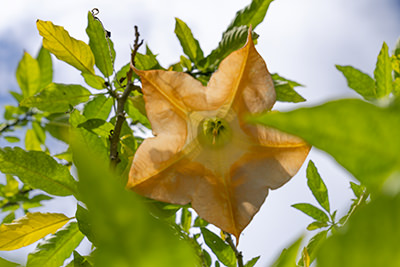
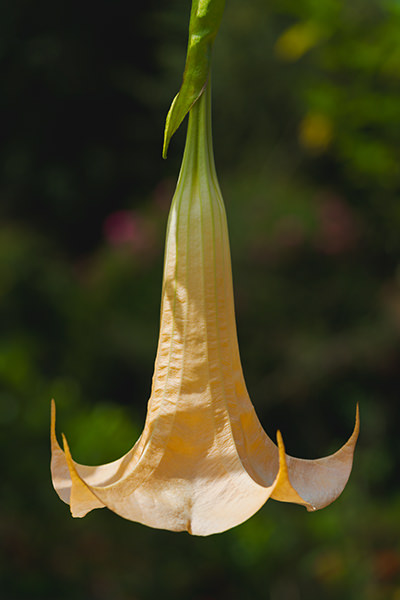
Another wonderful bank of agapanthus runs down from the chapel. Most spectacular of all is the grove of daturas or brugmansia as they are now called. In Madeira’s benign climate these grow to the size of apple or pear trees. In late summer they look like Christmas decorations, with tier after tier of trumpet-shaped flowers in shades of white, yellow, orange and amber.
Christina Blandy says her motto is ‘edges and hedges’. They give the gardens form and satisfying order, some as straight as plumb lines, others snaking through lush borders and banks of shrubs. A similar sense of symmetry is evident in the series of garden rooms.
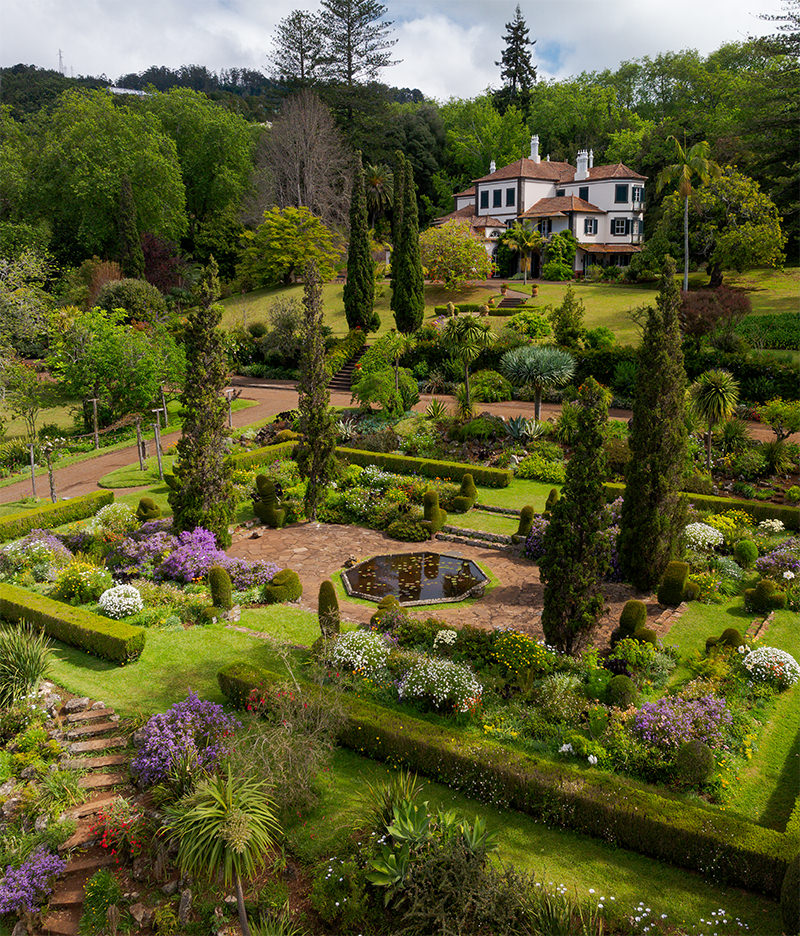
While Mildred was away in South Africa in the late 1940s, Graham laid out a sunken garden below the house. When she returned he led her blindfolded into the new garden planted with brightly coloured flowers, including gazanias and lampranthus. Here freesias, ixias and nerines seed themselves freely. In the surrounding rockeries are agaves, aloes and dieramas.
At the bottom of the garden are a number of different banksias, the Australian cousins to the proteas with barrel-like clusters of flowers, a rich source of nectar. Nearby is the rare camellia, C. Granthamiana from Hong Kong, and equally rare Sauraja subspinosa, a Burmese tree with pale pink flowers marked with red and followed by a crop of luscious berries.
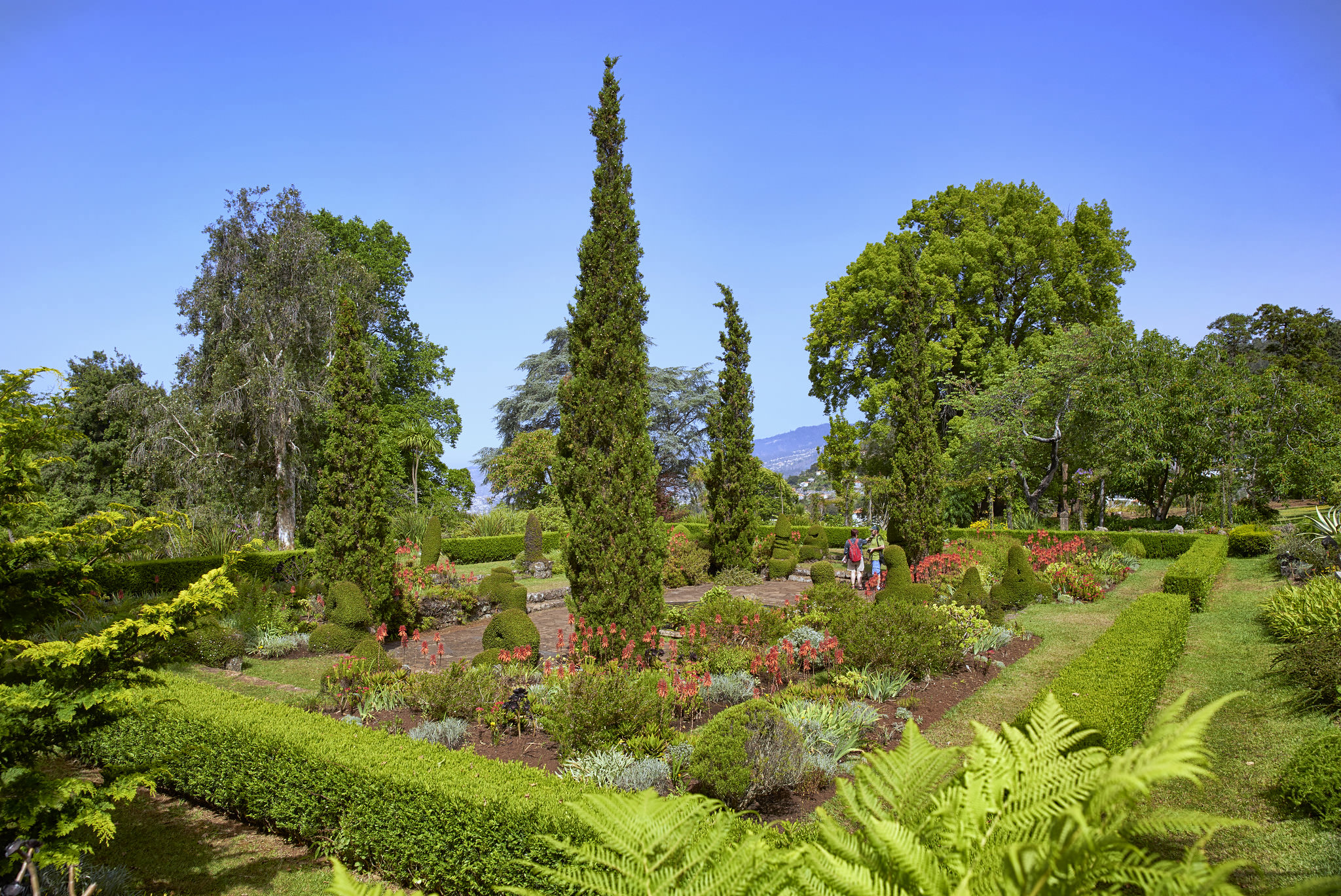
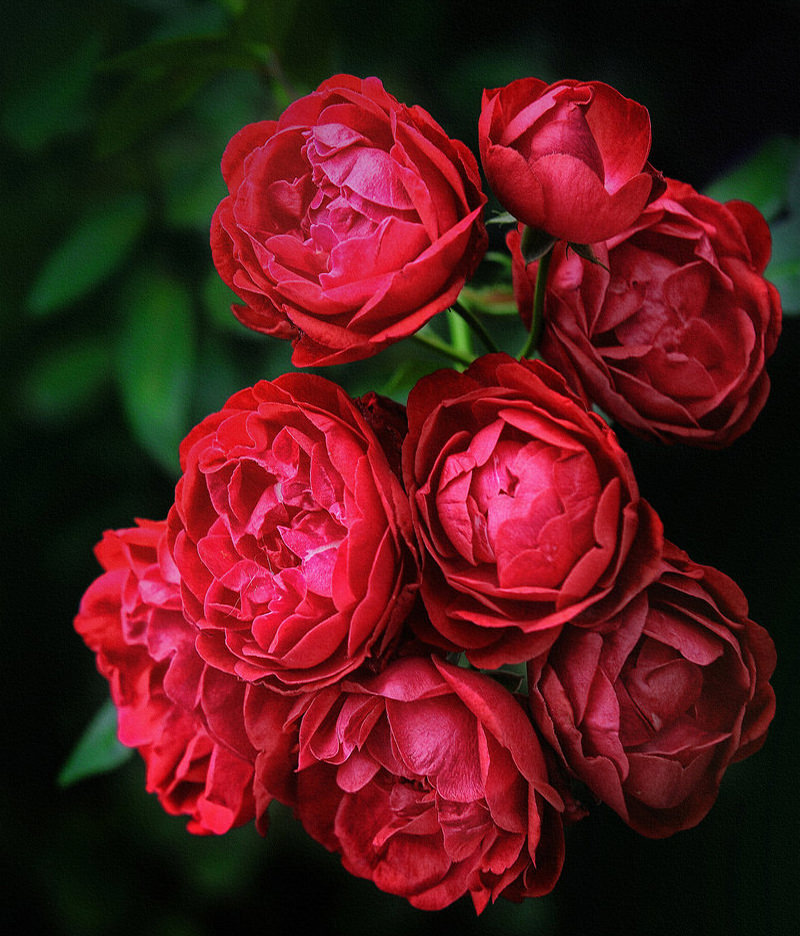
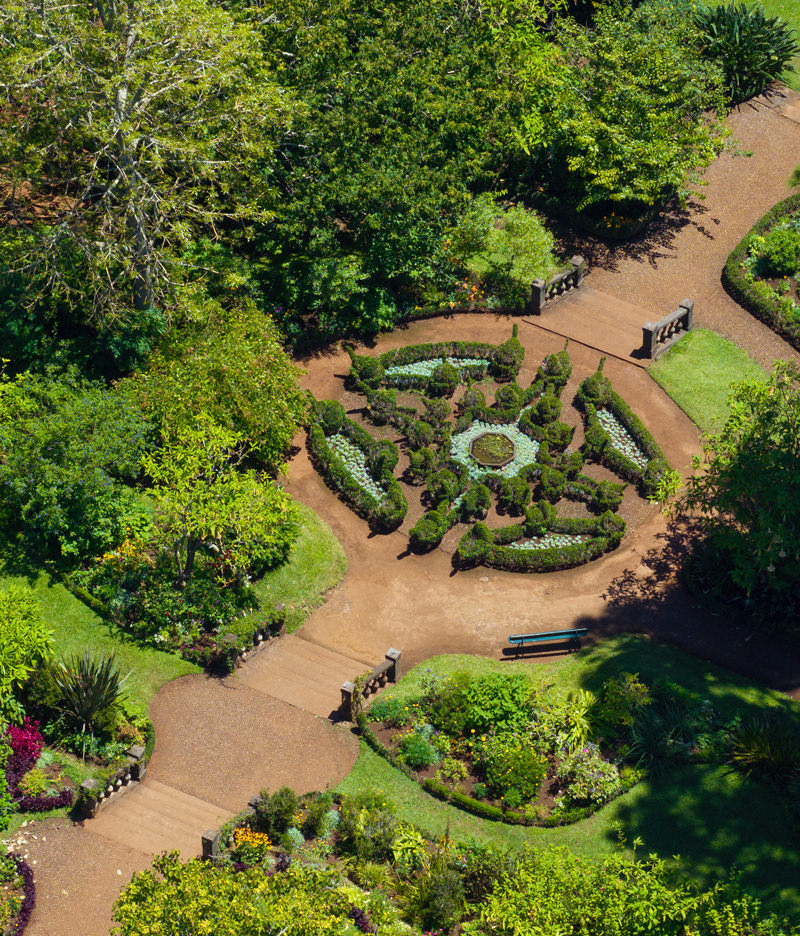
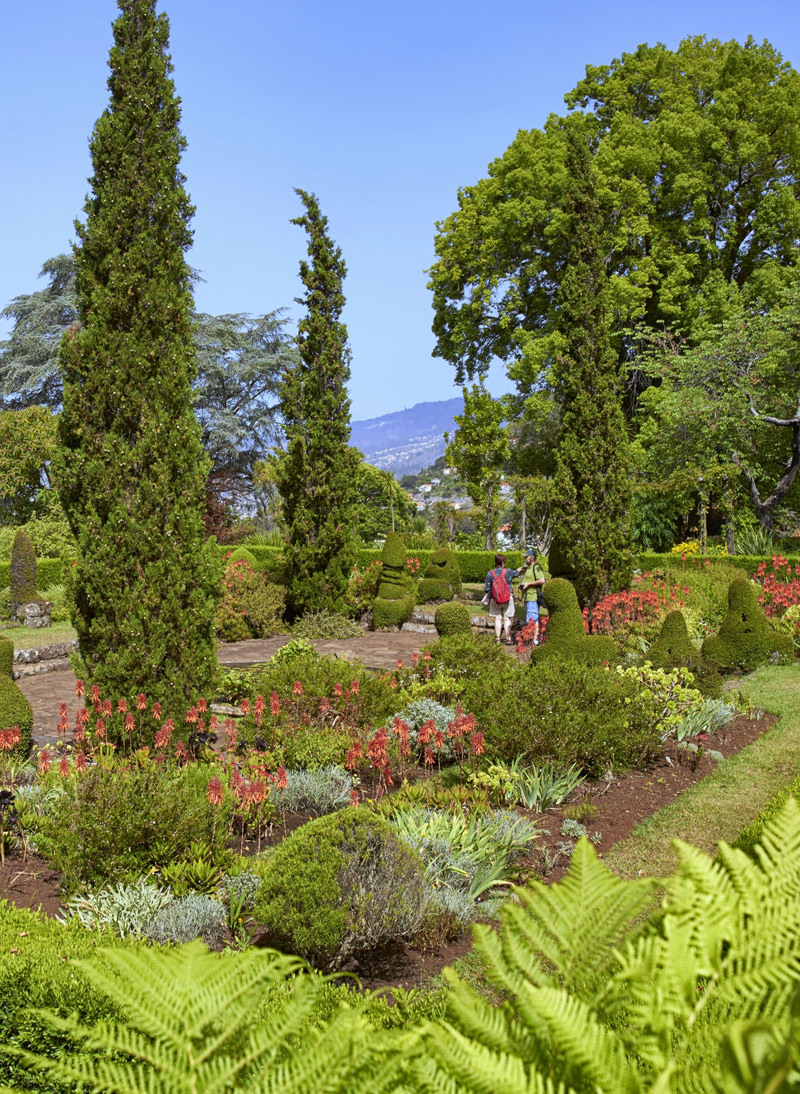
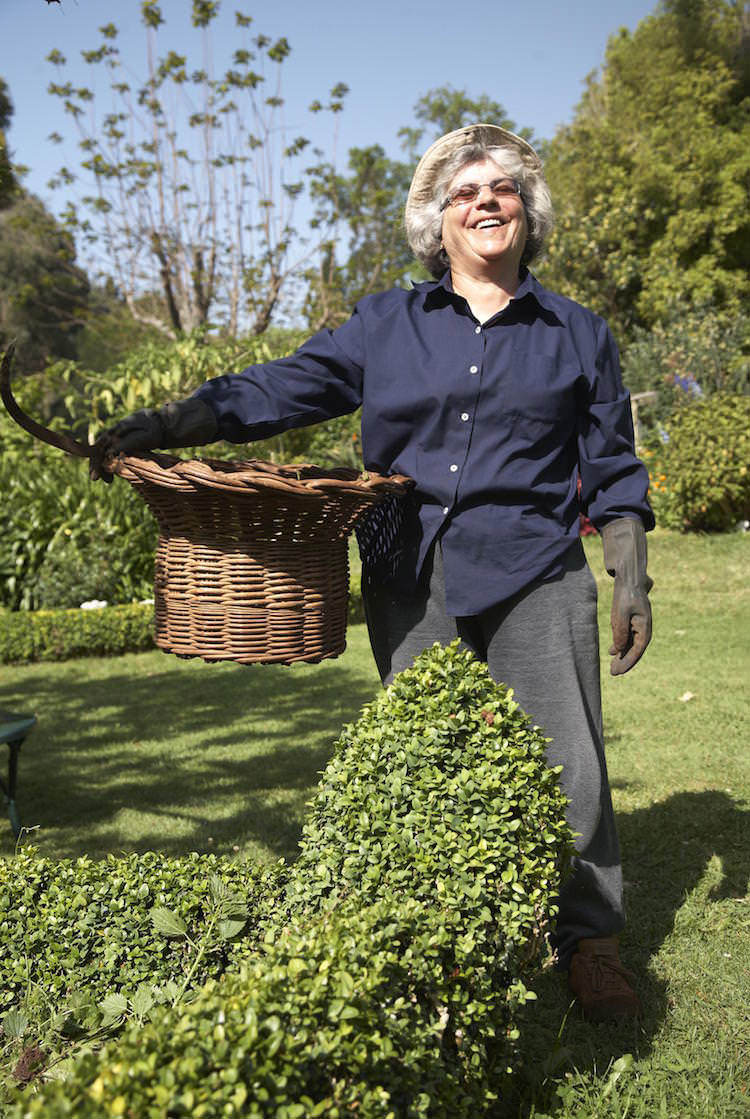
Another room in the Jardim da Senhora or lower garden is formed of neatly clipped topiary which looks like clusters of peahens with fantails. The latest addition is a rose garden created in 2007 by Christina Blandy around stone rings salvaged from Banger’s Pillar, a 1798 landmark on the Funchal waterfront demolished despite strong town opposition in 1939. This is planted with old-fashioned roses which are trained up the arches.
Look out for the grass tree from Australia with its thick fire-resistant trunk.
From the delicate scent of the freesias in February to the overpowering fragrance of the daturas on a September evening, Palheiro is a garden which never fails to entrance at every step.”
Palheiro Gardens, a family-friendly year-round destination
Rustic Grotto
Water is the mainspring of any garden. At Palheiro, mountain springs are collected by levadas and fed into two large reservoirs at the top of the property. The passage of water through the garden is celebrated by a rustic grotto which feeds into a bubbling brill and then into a series of lozenge-shaped pools edged with tritonias.
Canary Pine
Forest species like oak, beech, chestnut and cedar grow beside exotics like eucalyptus and araucaria pines. The monarch of the garden is a splendid specimen of Araucaria angustifolia, the candelabra tree from Brazil, run close by the Hymenosporum flavum, the Australian jasmine tree. Other noble trees are a huge Californian redwood, Sequoia sempervirens, a magnificent 38-metre-tall Araucaria excelsa from Norfolk Island and a huge Araucaria bidwillii with pineapple-shaped cones.
Sunken Garden
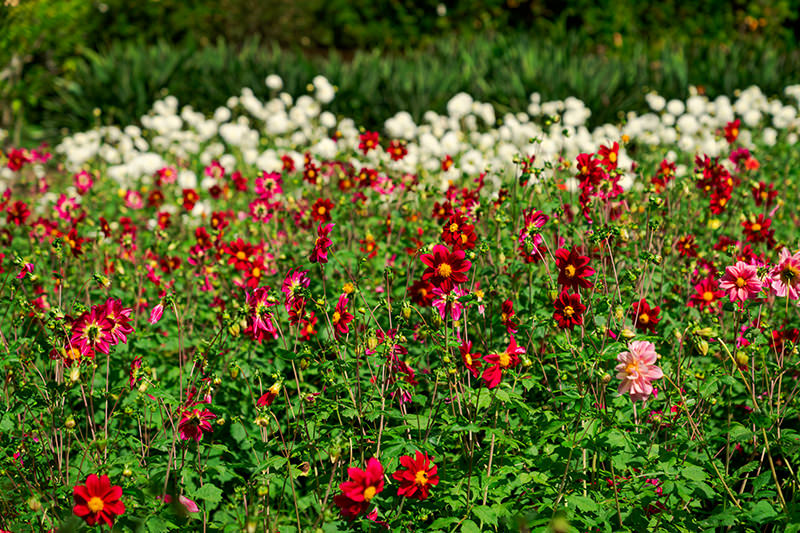
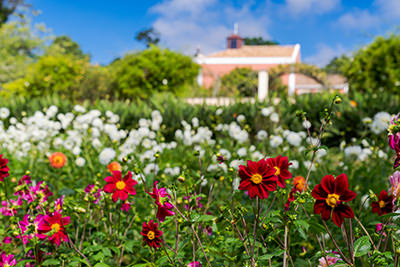
A garden planted with brightly coloured flowers, including gazanias and lampranthus. Here freesias, ixias and nerines seed themselves freely. In the surrounding rockeries are agaves, aloes and dieramas.
Rose Garden
Created in 2007 by Christina Blandy around stone rings salvaged from Banger’s Pillar, a 1798 landmark on the Funchal waterfront demolished despite strong town opposition in 1939. This is planted with old-fashioned roses which are trained up the arches.
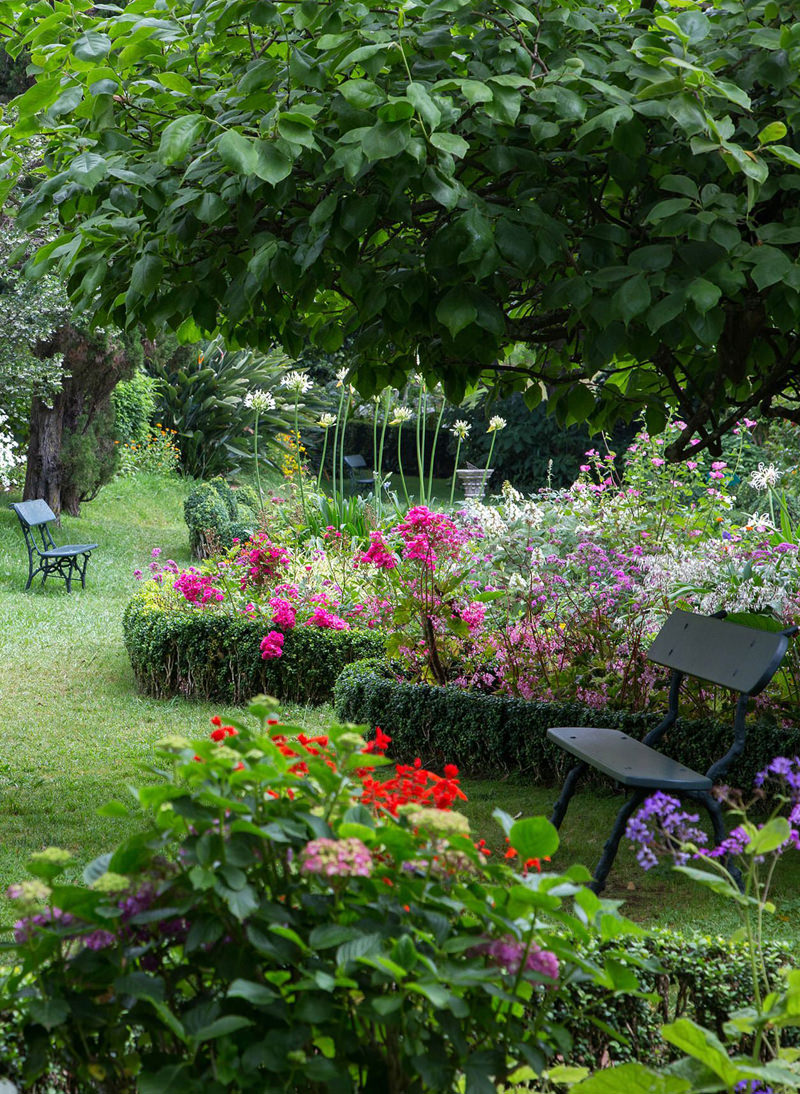
Jardim da Senhora
The lower garden is formed of neatly clipped topiary which looks like clusters of peahens with fantails. This part of the garden is perhaps the most visually impressive of the Quinta, with a wide range of exotic plants and trees combining to provide the visitor a rare opportunity to rest and reflect on one of the many park benches.
The Tea House
Opened from 10h00 to 17h00 for snacks and lunch, in partnership with the 5* Relais & Chateaux Hotel, The Casa Velha do Palheiro.
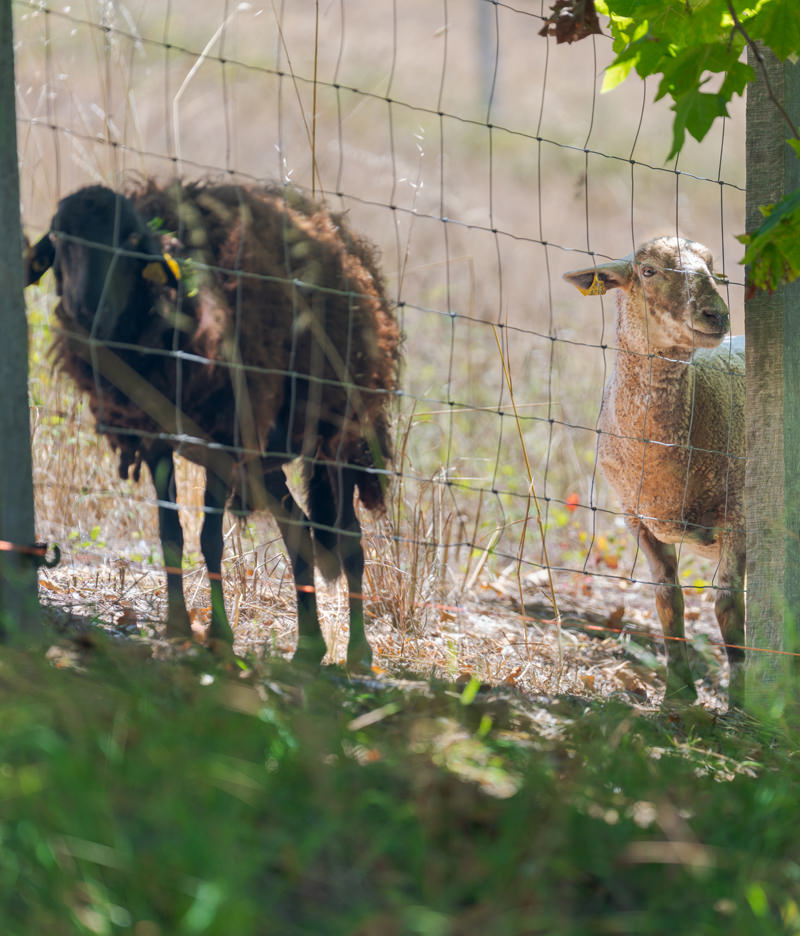
Farmland
Our seasonal residents
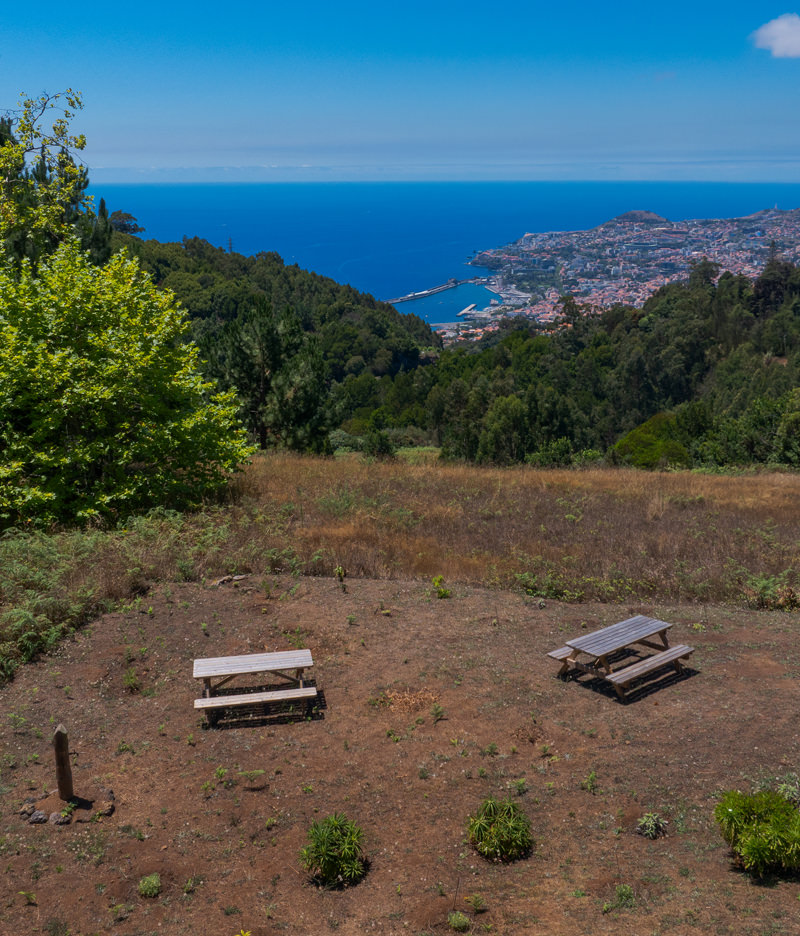
View point over the bay of Funchal
This area was the most affected by the fires in 2012, but the replanting program has allowed the surrounding forests to recover. Further plantings of endemic plants of Madeira surrounding the park benches included the estreleira (argyranthemum pinnatifidum), the maçaroco (echium candicans), and the figueira-do-inferno (Euphorbia piscatoria Aiton).
Palheiro Gardens, a family-friendly year-round destination
Rustic Grotto
Water is the mainspring of any garden. At Palheiro, mountain springs are collected by levadas and fed into two large reservoirs at the top of the property. The passage of water through the garden is celebrated by a rustic grotto which feeds into a bubbling brill and then into a series of lozenge-shaped pools edged with tritonias.
Centennial Trees
Forest species like oak, beech, chestnut and cedar grow beside exotics like eucalyptus and araucaria pines. The monarch of the garden is a splendid specimen of Araucaria angustifolia, the candelabra tree from Brazil, run close by the Hymenosporum flavum, the Australian jasmine tree. Other noble trees are a huge Californian redwood, Sequoia sempervirens, a magnificent 38-metre-tall Araucaria excelsa from Norfolk Island and a huge Araucaria bidwillii with pineapple-shaped cones.
Sunken Garden
A garden planted with brightly coloured flowers, including gazanias and lampranthus. Here freesias, ixias and nerines seed themselves freely. In the surrounding rockeries are agaves, aloes and dieramas.
Rose Garden
Created in 2007 by Christina Blandy around stone rings salvaged from Banger’s Pillar, a 1798 landmark on the Funchal waterfront demolished despite strong town opposition in 1939. This is planted with old-fashioned roses which are trained up the arches
Jardim da Senhora
The lower garden is formed of neatly clipped topiary which looks like clusters of peahens with fantails. This part of the garden is perhaps the most visually impressive of the Quinta, with a wide range of exotic plants and trees combining to provide the visitor a rare opportunity to rest and reflect on one of the many park benches.
The Tea House
Opened from 10h00 to 17h00 for snacks and lunch, in partnership with the 5* Relais & Chateaux Hotel, The Casa Velha do Palheiro.
Farmland
Our seasonal residents.
View point over the bay of Funchal
This area was the most affected by the fires in 2012, but the replanting program has allowed the surrounding forests to recover. Further plantings of endemic plants of Madeira surrounding the park benches included the estreleira (argyranthemum pinnatifidum), the maçaroco (echium candicans), and the figueira-do-inferno (Euphorbia piscatoria Aiton).
Palheiro Gardens Opening Times & Prices
Open Daily from 9:00 to 17:00 (last entry 16:00) Closed December 25th and January 1st
Entry Price: €11 (Adults) Children: Free 15 - 17 years: €6 Groups: of 5 pax: €10 Special price for Madeira residents: €6 (must present proof of residence)
30 days Pass: €150 30 single entry are valid for 12 months from the date of receipt, making them flexible and allowing the recipient to choose which time of year they would like to visit.
Kindly note that while this ticket is valid for entry to the gardens, it is not valid for Palheiro events and festivals.
Palheiro Gardens Slopes of Eden
The Palheiro Gardens are open throughout the year and welcome visitors. One of the most beautiful gardens in Madeira Island, nowadays they are part of the Palheiro Estate.....
Palheiro Gardens have been featured in the book "The Gardener's Garden" by Phaidon press. The book contains a selection of 250 noteworthy gardens from around the world...
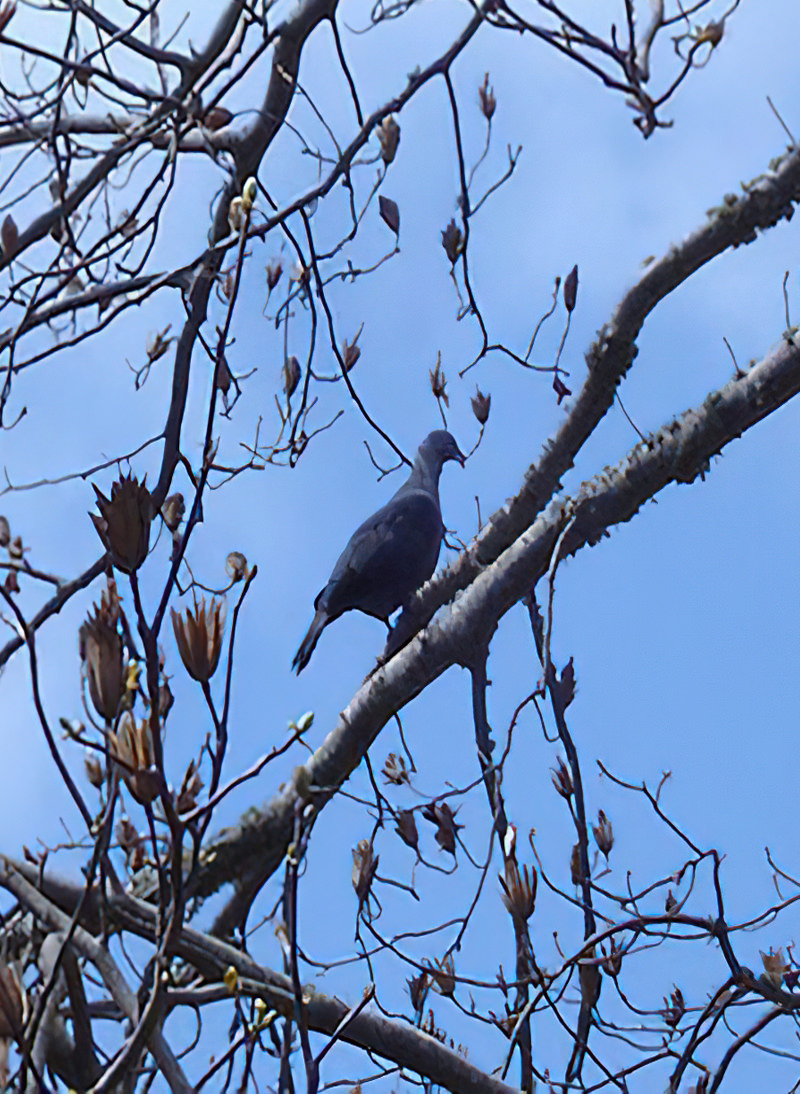
As a long time Island resident I was brought up on the story that the Madeira Trocaz pigeon lived exclusively in the laurel forests on the north of the island...
The gardens at "Quinta do Palheiro" are famous not only for the variety of plants that grow there but for the beauty of their setting in the hills to the east of Funchal, the capital of Madeira.
Madeira has long been called the "Garden Isle" and it seems that almost anything will grow in its fertile soil.
In Funchal many tropical plants have found a home and the visitor can see Hibiscus and Bougainvillea in flower almost all the year round along with Jacaranda, Spathodeas, Erythrinas and Bauhinias in their season.
The Palheiro Gardens are situated at about 500 meters above sea level. The original owner, the Conde de Carvalhal, planted many trees on the estate and laid the foundation to the Camellia collection; some of his early plantings can still be seen today.